
Illustration by Annelise Capossela/ For The Washington Post
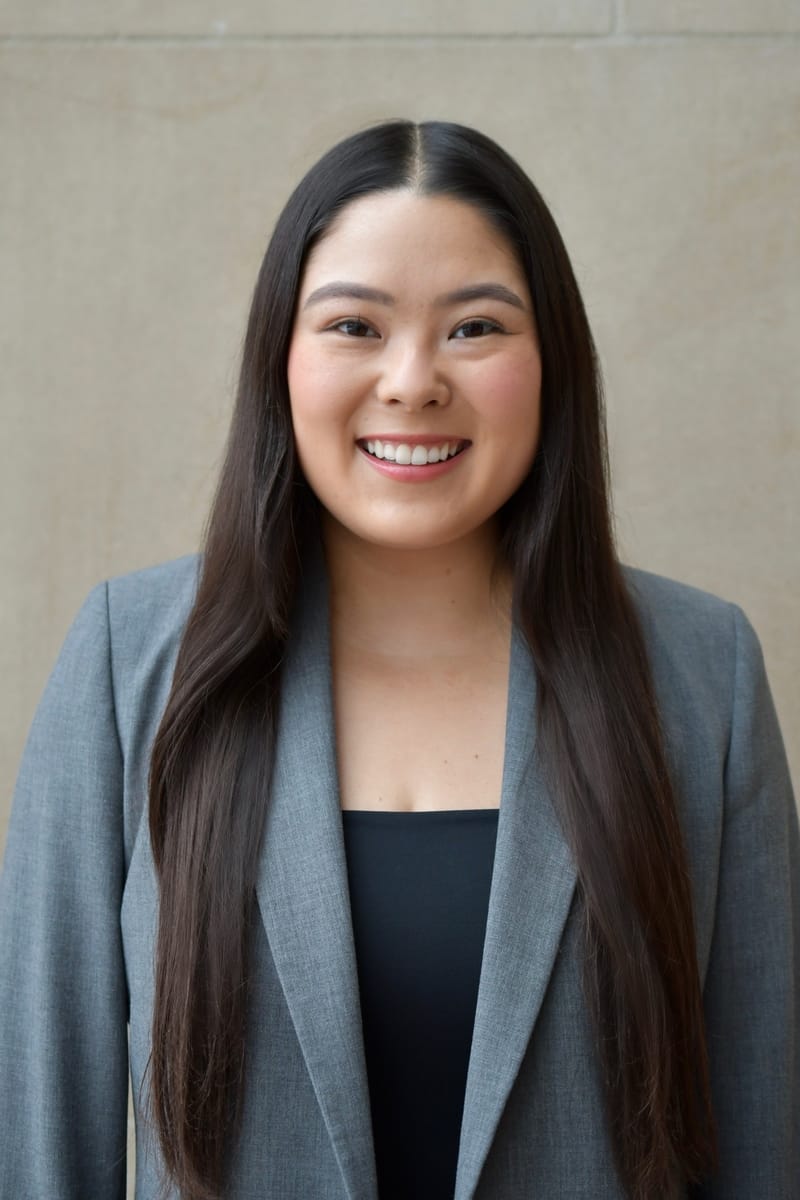
Syracuse University senior Mattingly Weisholtz started posting content and building a following on TikTok and Instagram after taking an advertising class and learning about how brands work with creators during her freshman year.
Now, she credits her experience as a creator for landing her internships and a recent all-expense paid trip to New York City, as well as approximately $40,000 worth of products gifted to her sorority. She said she no longer has to pay for makeup due to the amount she receives in PR packages, and knows multiple classmates in the same boat.
“I am able to live off my content creation salary right now as a college student, and I only have 23,000 followers on TikTok,” said the incoming president of the student organization at the school’s new Center for the Creator Economy. “I don't even have to work this semester because I'm making money from my content creation, and I also have friends that have even more followers than me that pay [other students to act as their] assistants,” she added. She is also considering hiring an intern for support as she films an average of five paid partnership videos a week.
Weisholtz’s college experience is emblematic of how the creator economy has transformed campuses across the country, and why universities are now launching academic programs to attempt to prepare students for the industry — not just those who aspire to be creators themselves, but the vast range of positions that make up the ecosystem.
To meet student interest and keep up with the economic power of the creator space, a number of colleges have launched major and minor programs, including Arizona State University’s new bachelor’s degree in content creation. Other colleges with minors include Colorado State University and Quinnipiac University, as well as the Syracuse program. Northwestern University's Medill School of Journalism announced last week it now will offer a Creator Journalism elective concentration as part of its master’s program, and Stanford Graduate School of Business just launched a “Mastering the Creator Economy” class for MBA students.
For students who grew up with social media and aspirations of monetizing their own content creation, the existence of degree programs seem obvious. Gen Z and Gen Alpha have seen the power of student creators, from #RushTok and NIL to many of today’s top creators who built their audiences while still in school.
Creator economy leaders have taken notice and view the development as an obvious progression.
“Compelling content has been coming from college campuses and dorms for years. It’s a natural evolution for there to be courses taught on the subject,” said Raina Penchansky, the co-head of UTA Creators and CEO and co-founder of Digital Brand Architects. “The younger creators understand the assignment when it comes to driving culture and shaping conversation.”
Still, developing curriculum in real time as the creator space rapidly develops is challenging, and the formalization of content creation as a field of study has been met with mockery and dismissiveness. The ASU major announcement in particular immediately led to hot takes about if being a creator is a worthy field of study, or if students hoping to become a creator even need a college degree.
Skeptics view the creator studies as “people wanting to get rich quick and make duck faces on TikTok, and somehow you’re a millionaire overnight,” said Ryan Schram, the inaugural executive director of the Syracuse center.
But universities with new programs say that there’s more to it than that. Schram stressed that the Syracuse center and their new minor is open to students across disciplines — pointing to interest in NIL from students in sports programs and enthusiasm from law school students interested in working with talent agencies — and that the focus is not on just creating content, though their facilities include e-gaming arenas and podcasting studios.
“Every time technology radically reshapes our existence, there’s resistance,” said Jessica Pucci, the senior associate dean of the Walter Cronkite School at ASU. Pucci said the school’s preexisting minor and new major in content creation is an attempt to be responsive to the current media landscape and demand from students, particularly for podcasting courses and access to classes related to content from students in different academic disciplines. She said the minor has become one of the most populated programs on campus since its launch two years ago.
“Jobs don't look the same today as they used to, and many students tell us that they don't want to go work for somebody else, and they want to create their own businesses,” she said. “Students want more control over their own image, their own voice, and their own perspective. And in that regard, the content creation degree just makes sense.”
Weisholtz said the Syracuse center has “never taught me how to film a TikTok,” instead teaching her about monetization and the legal components of being a creator, which can be overwhelming as a campus creator inundated by brand outreach. She recalled crying on the phone to her dad over how to file taxes on all of the PR product she was receiving, and going to the center to get help from staff and another student creator who helped her figure out what to do.
Schram framed the program as offering a toolkit for creators with questions about how to protect their IP, negotiate deals and run a business, though he conceded that not every student who wants to be a creator will be able to make it as one, and may gravitate instead towards working at a tech platform or in a non-talent role.
Whitman School of Management Prof. John Torrens, who teaches a class in the minor, said that all of the students in his course are creating some type of content and most are monetizing, “some with more success than others.” He predicted based on the early interest in the minor that a major will follow.
Torrens said his students are concerned about how to build businesses not beholden to the platforms, and that the curriculum tackles topics like delegation, hiring and firing employees, and taxation. Their most common reported concerns, however, are more about mindset and imposter syndrome, and figuring out their unique value proposition for the world — a challenge for all entrepreneurs, but particularly those navigating the constantly changing creator space and whose personal identities are intertwined with their career prospects.
For Weisholtz, who hopes to work in marketing after graduation, her creator earnings have given her flexibility as she figures out her post-grad plans. In the meantime, she has started saving videos of creator alumni who built their initial audiences in college for inspiration of how to continue her content after she graduates.
This story is part of Verified, a newsletter that is published by Washington Post Creator, a division outside The Washington Post’s newsroom that is focused on the creator economy and content partnerships with independent creators. Learn more about Washington Post Creator.
