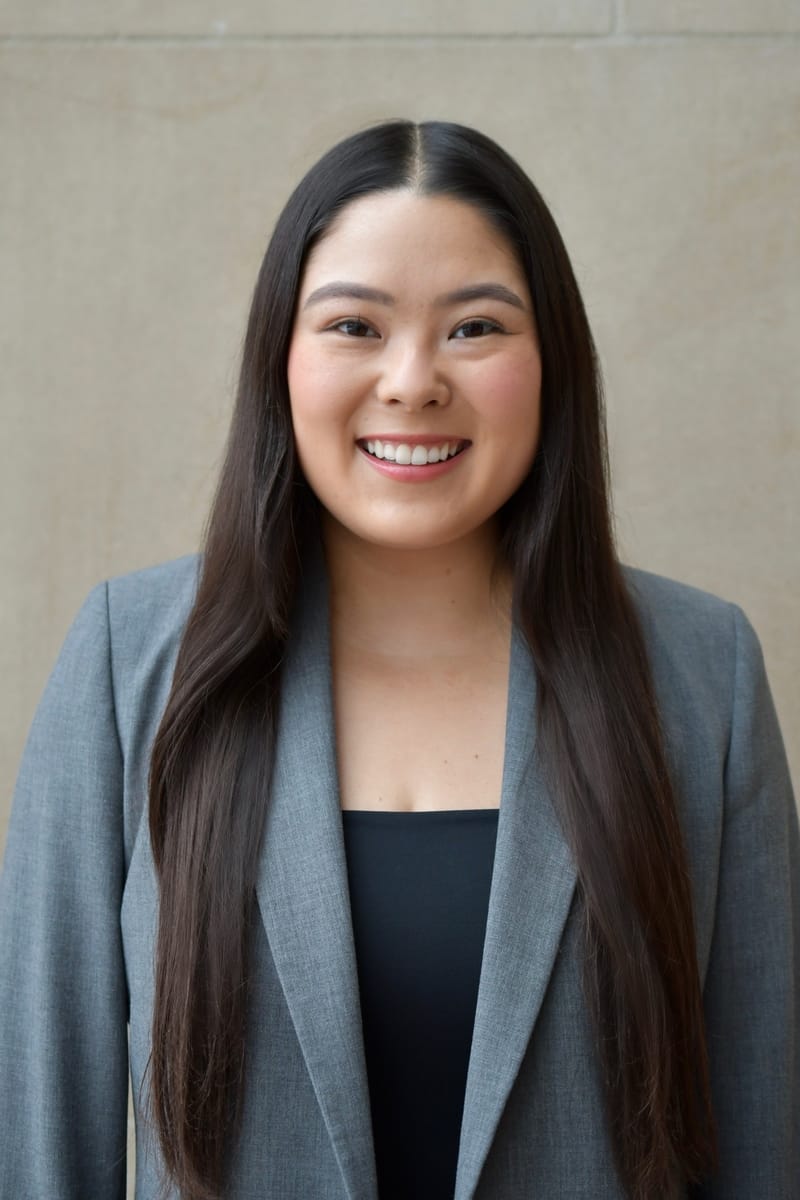

Photo by Helene Esteves/The Washington Post
Henry Smith, known by the handle @henryhenryhenryhenryhenr, worked in politics before becoming a California-based lifestyle creator with more than 1.1 million TikTok followers. He is now known for his humor, fashion and food content.
This interview has been edited and condensed.
Dylan Wells: Talk us through your creator origin story and how you got started in this space.
Henry Smith: I was about six years into my corporate journey. I was working in politics and government relations roles, and my work was pretty serious and dense. I like to laugh and have fun, so TikTok was kind of just a hobby for me — a way to make myself laugh. It was really funny for me to come home and make these videos of myself doing mundane things. I would pretend like I was doing a Food Network show in my kitchen.
That's how it started. TikTok puts you in front of all these people, and they decided they liked what I was doing for whatever reason. So part of it I think was kind of luck of the draw, that the algorithm had big plans for me. But yeah, and then it just took off and I never looked back. And March of last year, I quit my job to do it full time, and here I am with you.
DW: I was a politics reporter until I started covering creators so I’m fascinated to hear more about what you were doing in politics and how you made that transition.
HS: It was bizarre. I was working in local-level politics. I worked for the mayor of the city of San Jose. I was managing environmental policy for him, and then I transitioned to the private sector. I was doing permitting and development for large wind and solar and hydrogen and battery storage projects, which was also super interesting. But I was doing local-level community government engagement for that. When I first started posting and first started getting a following, I told my manager there's no way I'd ever quit my job to do content creation full time because my job was so serious and it meant a lot to me.
But then it started dawning on me that I could do just as much, if not more, good with a platform than I could being chained to a desk. So the transition was interesting, but I made a promise to myself early on that I would continue to advocate for the things that matter to me with my platform.
DW: Creators are often urged not to talk about politics. They're told it's not “brand safe,” or not something worth getting into. How do you navigate that yourself?
HS: There are creators [whose followers] pressure them to speak on a whole host of current issues, but I don't know that that's a healthy or productive thing to have happen. I don't know that we should be having people who aren't necessarily fully caught up or educated on certain issues be speaking on them. But I totally understand why they do, because cancel culture is so real and they do face really mean people like saying, “Why haven't you spoken out on this?”
I am very diligent, and I choose to really speak [out] on things that I actually have an educated opinion on. And in my years working for the government, I learned that it's never good to just spout your opinions. I really try to give people action items — that they can register to vote, go vote, make sure you have a plan to vote, ask your friends to make sure they're ready to vote, things like that. I want people to have tangible next steps they can take rather than just sitting and telling them all the things that I believe in.
DW: You’ve collaborated with several Democratic elected officials, like Sen. Elizabeth Warren (D-Mass). What do you make of politicians increasingly looking to partner with creators?
HS: It's incredible and it feels really good to be recognized. What's so funny is a lot of these politicians who are older than we are, their teams are very young. So really it turns out that their teams are the ones who are inviting me, and then they'll fill in their elected leader on who I am, which is very sweet. Sen. Warren was unbelievable. I got to meet Sen. [Bernie] Sanders, and he was incredible. I just got to meet with Sen. Jon Ossoff, and he was incredible. But yeah, you know, I think they would be foolish not to embrace what creators have going on, especially with young people.
DW: Politicians talk a lot about creators, but often aren’t consuming any content themselves. How are you thinking about the midterms and 2028, do you plan to have a bigger political presence then?
HS: There are a lot of nonprofits and campaigns who reach out to me. There's a sea of organizations and efforts and causes out there who are always reaching out, but I kind of let it happen organically.
I would never accept payment for this sort of work. I don't even know if I have a real strategy behind how I'm approaching these things. I'm saying no to pretty much everything that gets offered to me. But I think as my approach typically is I will just encourage people to take action about the things that they're upset about, rather than just sit around and comment or repost Instagram stories or TikTok stories.
I think my approach is more encouragement to do meaningful things because I think right now it's way too easy to be comfortable for young people just to post stories or leave a mean comment and they feel like they've done their part when there are really so many more interesting things we can be doing to help move the ball.
DW: A lot of your content feels very off the cuff. Is it actually, or are you editing these things? What's your approach?
HS: I film in TikTok. I edit in TikTok. It's usually one take, two takes, and I hit post. There's no premeditation. I don't plan my content.
DW: What have you found resonates the most with your audience?
HS: What's so funny is like I don't think they care. What I found is like they don't mind what it is that I'm doing, they just like seeing me doing whatever it might happen to be, which is so funny, but also incredible. I'm not really stuck in a niche. I'm kind of my own niche, the Henry niche.
DW: What hasn't landed? Has there been any series or thing you've experimented with that you found didn't connect?
HS: Surprisingly no. I did one brand deal with Amazon. I went up to bat with Amazon, and they asked me to help explain to my followers how they're using nuclear, they're exploring nuclear to power data centers, which I was more than happy to do because data centers are certainly not going anywhere. And nuclear is so interesting and exciting to me, and I think if we're gonna have data centers whether we like it or not, we should at least look into powering them in more sustainable and interesting ways.
So I happily took this brand deal, explaining how we're using small modular reactors to power data centers. And of course, people, sometimes they don't really listen to the full video or listen to what you're actually saying or where you're coming from, and they'll just hear immediately Amazon and data center, and then it's just like so — that's really my only time I've had to run it with you know somewhat negative thoughts.
DW: You've collaborated with a lot of brands that have traditionally female consumers. How do you think about that and the strategy and connecting with those audiences?
HS: I'm very fortunate that my following is overwhelmingly women, and it's so cool that brands are happy to lean into that. Sephora, Aritzia, a lot of these beauty and fashion brands reach out asking to work with me, which is so much fun, and I'm happy to do.
DW: What’s your prediction of what’s next in the creator economy?
HS: I don't really have a crystal ball, but it's certainly not going anywhere. It's really exciting the conversations that are happening, but AI is a little bit concerning, and there's a lot of conversation at Cannes about AI. So that's certainly something I'll continue to learn more about and where it's going to play into everything. I'm not threatened by it certainly, because there's no way you can ever take away what creators are building with their following.
DW: What do you think is the biggest misperception about creators?
HS: Content creating is so interesting in that you know people only get one minute glimpses into our life throughout the day, and so people are left to fill in the blanks about the rest of our personality or who we are, and so they come up with this idea of who they think we are. But we are real people with full personalities, and sometimes I'm happy, and sometimes I'm sad, and I'm not always this silly. There's more to us than what you see online.

This Q+A is part of Verified, a newsletter that is published by Washington Post Creator, a new business outside The Washington Post’s newsroom that is focused on the creator economy and content partnerships with independent creators. Learn more about Washington Post Creator.
