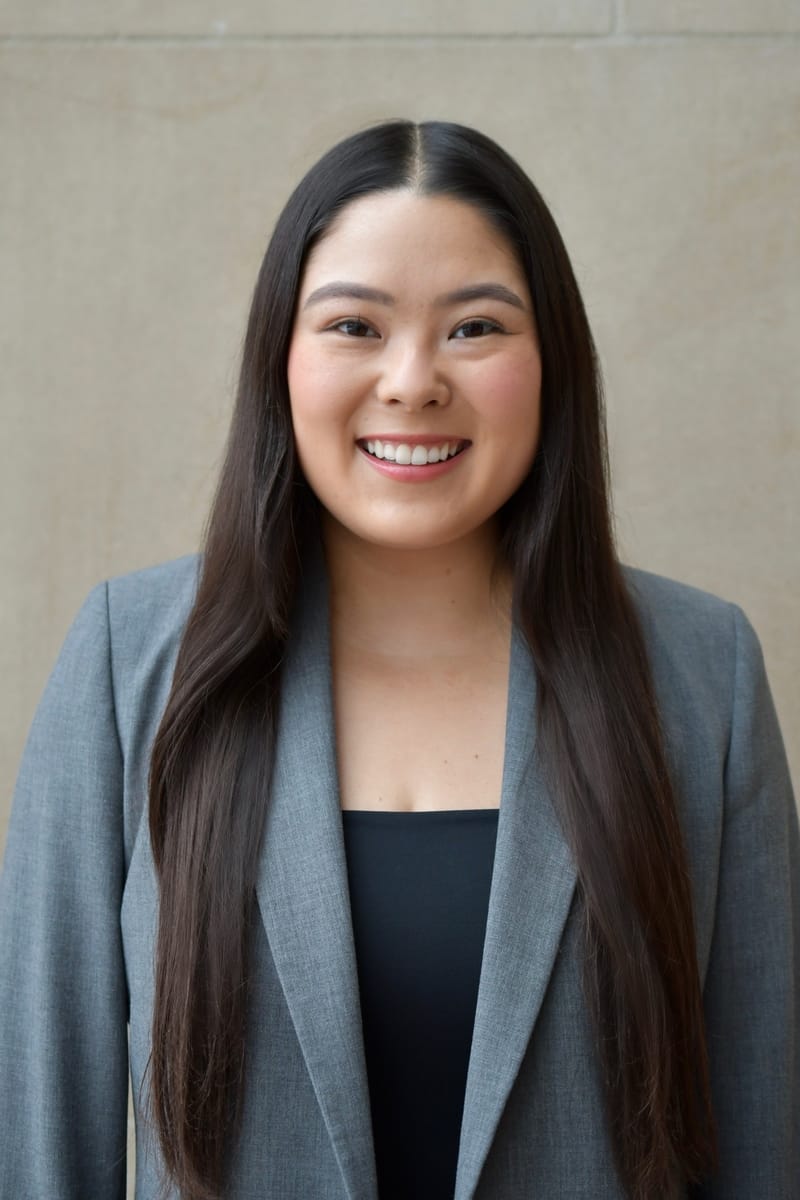

Courtesy of Jenn Lueke
Jenn Lueke of @jenneatsgoood is the author of the cookbook “Don’t Think About Dinner.” She grew her college Instagram account into a business and her Substack, launched in 2024, now generates $670,000 in gross annualized subscription revenue. This interview has been edited and condensed.
This interview has been edited and condensed.
Dylan Wells: Talk us through your early content and how you got started in this cooking space.
Jenn Lueke: I started my Instagram account in 2018. I was a junior in college, so I was not intending for this to become a business by any means. There were very few people doing food blogging … it was only photos back then. I was just sharing recipes that I was making or eating out. I was trying to turn my life around, I was trying to adapt to a healthier lifestyle. I was sharing that I had started running, and I was picking healthier foods, and I was learning how to cook healthy food because I had always loved to cook.
When I realized around 2019, 2020 that people were turning this into a business, I was really intrigued. I always wanted to be my own boss; I studied entrepreneurship in college. It wasn't really until 2023 that I figured out how to grow a following, so I was posting pretty much every day for five years without any real payoff. I had under 10,000 followers that whole time, and then when I started sharing my budget-friendly meal plans in January of 2023, that year I grew a million followers. It was such an unlock that people wanted budget-friendly meal plans. They wanted all the work done for them, and I just kept doing it, kept repeating it, and that's really the basis of my following and everything that I do and my cookbook now.
DW: At what point in that process did this cookbook idea come to be?
JL: As soon as I made that first meal plan back in 2023, there were people in the comments saying that at least they wanted a physical version, a printed version. I think that's a very common comment that me and other food content creators get.
I was just so focused on the digital side of it all, that I wasn't really thinking about that, and to be honest, I wasn't even really thinking about how to monetize at the time either, because I was still working a corporate job. About a year in, I got approached by a literary agent, and she was the first person that told me what I was doing was really unique.
That's when I decided to start working on a cookbook proposal. I took her on as my literary agent, and then I started pitching the book. That was in January of 2024, so exactly a year after I started doing the meal plans.
It's not enough anymore to put a cookbook out and say these recipes are really good. That really isn't going to sell the books. You have to be doing so much more. You have to really be showing the value of the book because not only are there a million cookbooks, but there's millions of recipes online. There are people using AI for recipes, which I don't love, but that's the reality. And you can go on Pinterest and find anything. You can look up a recipe title that's in somebody's book and find something similar. So being able to really pitch why you should buy the book is so key, and that's what I really tried to do with "Don't Think About Dinner.” I tried to talk more about the non-recipe parts than the recipe parts when I was marketing it, because I worked so hard on giving those tools and tips and guides.
DW: When it came to the promotion of your book, how did being a creator impact how you thought about how you were going to actually get those presale numbers?
JL: Even from the proposal stage, there's a lot of pressure, honestly, as a creator when you have a big following and you're working on a cookbook. The publishing companies, in a lot of ways, are employing you to be the one to sell the copies of the book, knowing that you have this community of people, and banking on the fact that those people, when you're ready to announce a book, are going to buy it.
I try to be very intentional about my content strategy, how I'm sharing things, all the things we can offer people and promos and all of that; it's definitely a very calculated approach. My background is in business and marketing, so that's the stuff that actually gets me so excited about having this business now. We planned stuff for months before I even announced the book, and then from the time I announced until the publication date, which was about six months, it was just constant different series, promos, grocery lists that tie into the book, giving away stuff on my newsletter because that was where my most engaged people were, just talking about it a lot, showing my face every day, letting people know everything that went into it. Filling them in on everything that I had been working on for the last 18 months.
I had to be thinking about that from day one because I had to have that content to share later, so literally from the day that I got my book proposal or my book deal, and even before that, I was recording content, I was taking photos, I was taking videos, because I knew in two years I was going to need to share them. Even though you're kind of silently working on this thing in the background, as a creator, you have to be thinking of the 12, 18-months later where you do need to share.
Using my platform as a content creator was everything for promoting the book. That's where the book sales came from. I know my publisher was expecting that from the beginning, and that's what I had pitched them. So I wanted to deliver on my promise that I was going to activate this community of people who really love following the plans and recipes, and that they were going to buy the book.
DW: Can you talk to me about what your business looks like these days and your biggest income streams?
JL: Diversifying the business was really important to me. Early on, I wasn't really making a lot of money. I was doing some brand deals, and that was pretty much 100% of my revenue stream. Since then, I needed to figure out how to make money other than brand deals, because it's not very consistent, and how to diversify.
I decided to start my Substack newsletter around that time I was working on the book proposal so that I would have another revenue stream. Honestly, I didn't really know how that would go because I was pretty early on the Substack train. Now, that's a huge part of my business. Probably 40 percent of my revenue comes from Substack, and then obviously the book deal, and then I was having the brand deals still.
The subscription model of Substack was huge because it is something that I can actually count on month over month.It felt a lot safer than just hoping that brands would want to pay me. I share meal plans that go with each recipe. I'm always posting on social every time I have a new Substack post come out, and I do three a week. And sometimes you get lucky, and sometimes those posts go viral.
DW: Who is one creator our readers should be following, someone you love or think deserves a larger audience?
JL: Zoe Barrie, the Restaurant Dropout. I love the way that she puts together meal plans.

This Q+A is part of Verified, a newsletter that is published by Washington Post Creator, a division outside The Washington Post’s newsroom focused on the creator economy and content partnerships with independent creators. Learn more about Washington Post Creator.
