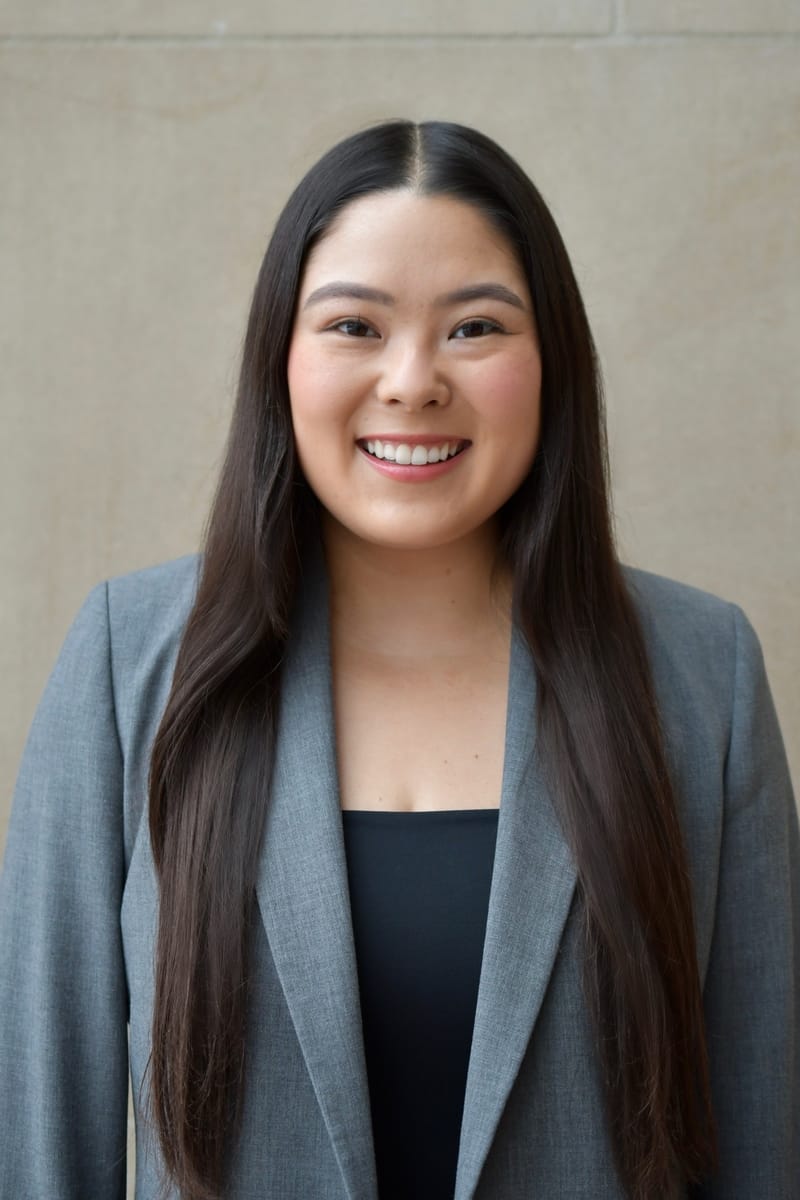

Image courtesy of Ty Hill
Ty Hill is an affiliate creator who got her start posting fitness content before becoming a faceless Amazon affiliate creator and later a LTK creator known for sharing athleisure fashion. Now, she is a 2026 LTK Awards recipient, one of the 50 creators recently recognized by the company for their ability to influence sales. According to the shopping platform, LTK creators drive more than $6 billion in annual retail sales.
This interview has been edited and condensed.
Dylan Wells: How did you get into this affiliate space, and what kind of content were you posting before?
Ty Hill: I have almost 20 years of experience in the banking field, and I just wasn't making enough money, to be quite honest. I was looking for supplemental income. I live in Atlanta. Rent was rising, car note is high, and I'm like, okay, what can I do? I started with vending machines, doing quick substitute teaching. And I looked up what are the top five things that are generating the most income — this was in 2023 — and it was content creation.
My Instagram started out as a weight loss page [during the pandemic]. Through keto and exercise, I naturally lost 60 pounds. So I had an engaged audience already, but I didn't know what to do with it.
Towards the end [of 2023], I was like, I need more money. I would see some of the girls doing like Amazon tops and trying on things and this whole affiliate thing. I ordered a top from Amazon, tried it on. The video went viral. I said maybe it's luck — did it again with a Target jacket, the video went viral. My audience was like, "You have this new body. We're happy to see how you're styling things.” And I was like, okay, so this is something that could be a career potentially.
By 2024, I quit my job. I was making what I made in a year at the bank in almost two months through affiliates. I said [to myself,] if I could make triple what I was making at the bank to be able to cover at least three months of expenses, then I would leave. But I put it off for a while. I put it off out of just being comfortable, out of fear, routine.
DW: Do you think anything about your banking career informs how you approach content?
TH: I am very data-driven and I also have my bachelor’s degree in psychology. So I'm also thinking constantly: How are shoppers thinking? When I'm doing my voiceovers or my captions, I'm making sure to be as descriptive as possible. I speak from a homegirl kind of voice, as opposed to just, here's the link. People will honestly buy whatever from you if you are personable. That's the psychology component. The banking component is the analytics, the reports. I wake up, and that's one of the first things that I'm looking at, and that's what helps me decide what I'm going to record.
DW: What have you found is most effective in your videos for conversions and reaching the people you’re trying to sell to?
TH: I like to edit clips on the beat of specific songs. I'm very particular about the music. I'm very particular on my voiceovers now.
[For around two years] I didn't show my face. I didn't speak. I didn’t think it was limiting. It wasn't until I got with my manager, she's like, “Ty, you have this beautiful smile. You have this personality.” She's a manager, so she's always gonna think from a brand perspective. And she's like, “I can pitch you more if you open up and talk about these things.” To this day, I struggle with it to be honest, because I get very cringe. I'll post something and then I'm like, delete, delete. But I realized I have my audience who already shops with me, now they are wanting a different side of me. They want to know who I am, versus the outfit. They're gonna buy the outfit, but now they want to buy into me.
Showing my face, just including my voice in videos helped my sales grow. It makes me human versus just being a model. And I felt like that for a very long time, like no one cared about me, I'm just a model, I just try on clothes. But doing that made me feel more human.
DW: How did you end up shifting to focus on LTK?
I joined the Amazon Creator Program first, I was there exclusively for two years before I was introduced to LTK. I would post LTK posts here and there, but I didn't have a strategy or intention behind it. Then I heard [LTK founder Amber Venz Box] talk about how there were millionaires on the platform, that kind of perked up my ears. I have the ability to change my life and also my family's life. I'm gonna be the first millionaire in my family. So after I left LTK Con in 2025, I locked in, and I was very intentional on my strategy, my posting, my captions, everything to help elevate my LTK page.
I went into Nordstrom Rack and I tried on an Adidas set, viral. Did it again, viral. Until this day, I've had a probably a 16-month partnership with Adidas since April 2025, over six figures. I was leaving money on the table this entire time by sticking — love Amazon — by sticking to one platform that didn't have these other brands. I was like, why have I not been doing this all along?
DW: Normally creators have to build up that relationship and trust before people want to click that affiliate link. How did you think about building that trust when you were starting out as a faceless account?
TH: The only thing that I could think of is my consistency. I would do a lot of 30-day challenges, meaning I would post every day. So at some point, I'm in your face when you open up [social media]. I'm in your feed, so it's like you have to kind of look at me. You don't have to necessarily buy from me, but I think it piques people's interest. It built trust that way versus me having to even say anything.
DW: To the extent you’re comfortable sharing, what does your monetization look like now from affiliate linking?
TH: I use pretty much every social media platform to bring them back to LTK. So that's another tip. I'm using TikTok, YouTube Shorts, Facebook is huge — that's like an untapped market for a lot of creators. My thought is the more eyes that see your content, the more probability you have of turning a link click into a conversion.
I make my money through multiple affiliate platforms. TikTok has a creator program, Instagram. Those, in my opinion, pay pennies on the dollar. Whereas, my top seller is Adidas. I can make $20 per pair of shoes, just by taking a quick photo. Six figures a month, that's been my highest. My lowest, I haven't seen anything less than maybe $50,000.
I go hard, and not as hard as I could. I'm not even at my best yet. I need help as far as a team, someone to really get in there with me because I've been doing this on my own since I started LTK. Now I think if I have the expertise, that I could definitely double or triple, I'm trying to get to the millionaire status.
DW: Are you looking to hire now? How are you thinking about scaling?
TH: I am looking to hire. I just don't know where to go to hire. But I've communicated that with my manager that for 2027, that's my biggest thing: building a team, a reliable, trustworthy team to help me scale.
I'm the creative director. I'm the shopper. I'm the editor. I'm recording. I'm on meetings. It's very difficult, and I feel like I'm not living up to my full potential because I'm wearing so many different hats. I do want a team to help, so that I can just focus on knocking out the content.
DW: How does the affiliate space inform your brand partnerships? You mentioned Adidas is your top seller, you're known for posting content about them.
TH: We are the new advertisers. I've worked with Adidas for almost 16 months consistently. Sometimes the rate is a little low, and I'm like, I've made you all $40,000 in a week. They're like, “Okay, what can we do? Let's help each other.” Because they trust me, and also they trust that I have this engaged audience. So I always try to go above and beyond. So if I have to do just one story set, or one reel, I'm also taking additional photos because not only is it just for the campaign, I wear it in real life. I'm an athleisure girl. I love elevated athleisure. That's my style. So it just also resonates with me as a consumer.
DW: What is something you think people don't understand about being an affiliate creator?
TH: It's a real job. I can't explain it enough. Family, friends: It's a real job. There's a creative strategy. I'm having to shop. I'm having to link, do captions to make sure that my audience understands what I'm trying to portray. Voiceovers take time. I'm constantly recording. There’s a lot that goes into it. It's a full business, and I think that is what has helped me be successful. I'm not just posting outfits anymore. I'm posting with intention.

This Q+A is part of Verified, a newsletter that is published by Washington Post Creator, a division outside The Washington Post’s newsroom that is focused on the creator economy and content partnerships with independent creators. Learn more about Washington Post Creator.
