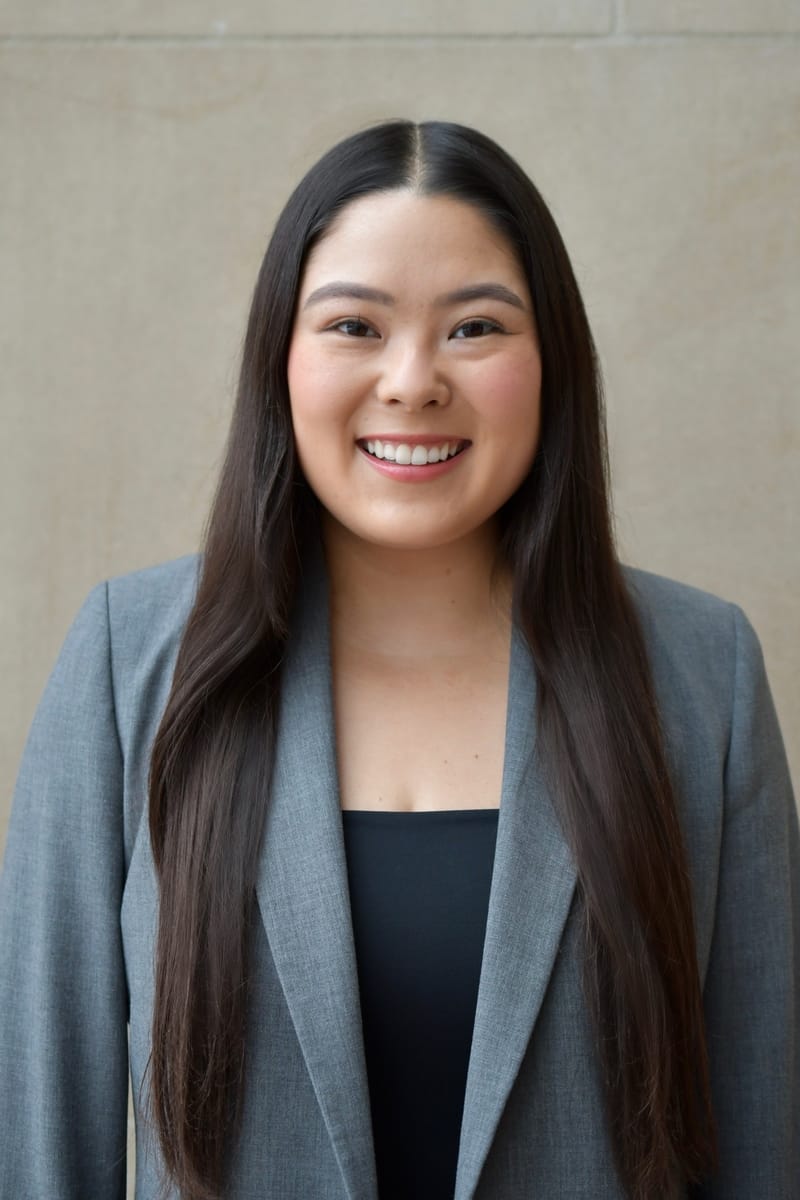
Photo: Jordan Strauss/Invision/AP. Photo Illustration: Annelise Capossela for The Washington Post.
As Hollywood prepares for another Oscar weekend, creators are moving on from bit parts to playing main characters on- and off-screen.
“The floodgates have opened over the past year,” said Brent Weinstein, the head of CAA Creators. “It's a total sea change in terms of the relationship between creators and these larger media companies.”
Of course, top influencers will still be conducting buzzy interviews on the red carpet. For the third year, Amelia Dimoldenberg will return as the Academy Award’s official social media ambassador, but the creator and star of “Chicken Shop Date” is no longer just interviewing movie stars. Dimoldenberg now has her own romantic comedy in development that she’s set to produce and star in for MGM Studios’ Orion Pictures.
Studios are no longer “just trying to put someone in for a cameo appearance for the marketing value,” Weinstein said, but rather “doing overall deals with creators.” Particularly notable is the shift to scripted content, he said, such as Fox Entertainment’s recent deal with creator Dhar Mann for a slate of 40 scripted vertical video shows.
Similar to the reality star wave of talent that preceded them, today’s creators provide an attractive alternative to traditional Hollywood talent, with the added benefit of also bringing a massive, built-in, engaged audience that is ready to watch whatever content they produce. Plus, creators are scrappy and know how to put a production together quickly, often at a fraction of the cost of a major studio — allowing them to tackle bigger behind-the-scenes production roles as well.
Markiplier, a 36-year-old creator known for playing video games with more than 38 million YouTube followers, is paving the way. He showed off the new model by both starring in and making his own independent film, “Iron Lung,” which he wrote, directed, financed and distributed, and enjoyed impressive box office results this year.
“Creators are starting to prove that they can do it by themselves, and they might not even need permission from Hollywood,” said Max Reisinger, the CEO of Creator Camp, a collective of filmmaking creators. Through their incubator Camp Studios, Reisinger is trying to build an economic model that will allow creators such as him to work on more expansive film projects and break out of the cycle of depending on brand deals to make a living.
“If we can prove that even if 10,000 of your followers show up in theaters, suddenly you’re making maybe $100,000 off of those ticket sales, that’s radically different from what you’d make off of YouTube AdSense. But then that allows you to invest in the content that could maybe eventually end up on YouTube,” Reisinger said.
The Camp Studio team utilized a social media marketing campaign in which anyone who shared their email and Zip code — which guided which theaters to target first — got their name in the end credits of their first theatrical release, “Two Sleepy People.” According to Reisinger the movie played in over 100 theaters and grossed $270,000 in ticket sales domestically, making up three times the production budget in its first week in theaters.
Now, Reisinger said Creator Camp is fielding requests from traditional film projects that didn’t get a distributor seeking help marketing their film. He and Creator Camp are also working on a new slate of creator-led projects.
“We’ll just see more folks coming from the internet and breaking inside of the traditional industry, or finding their own new paths,” Reisinger predicted. “I think we’ll start to see creators put up a real fight.”
This story is part of Verified, a newsletter is published by WP Creator, a new business outside The Washington Post’s newsroom that is focused on the creator economy and content partnerships with independent creators. Learn more about WP Creator.