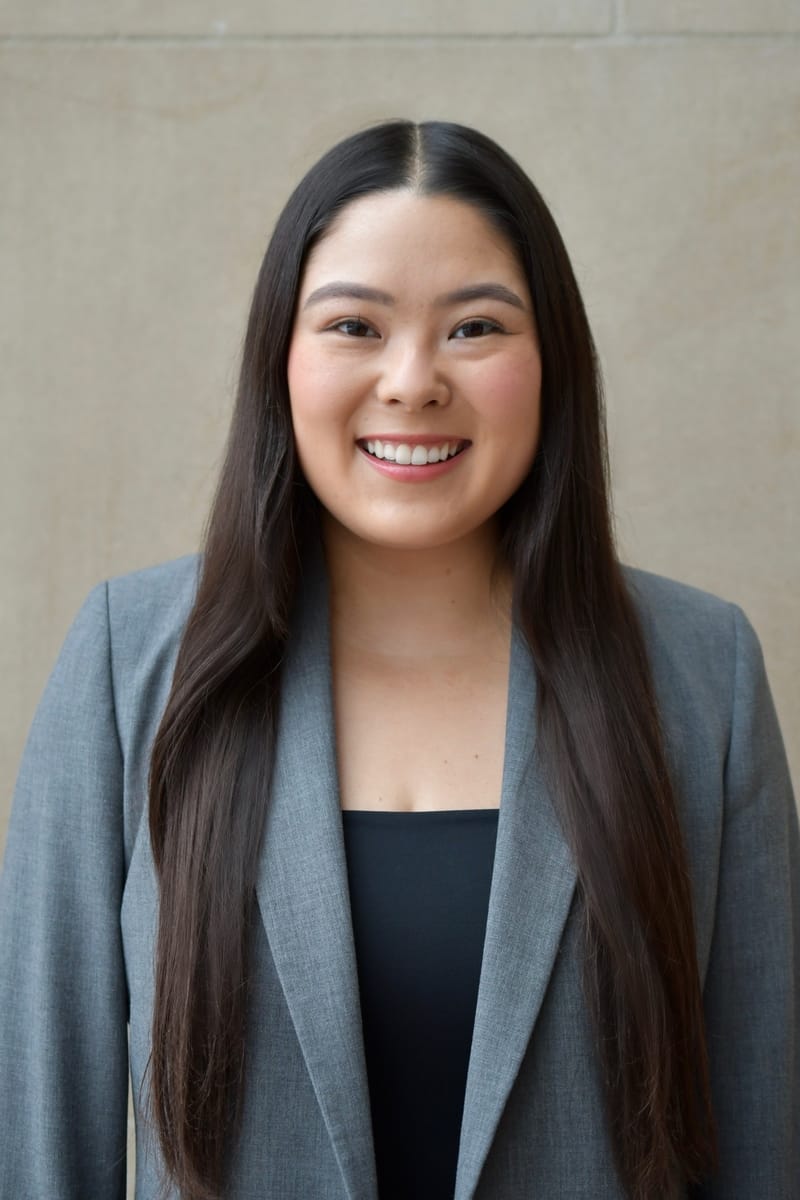

Photo by Lancer Photography/For The Washington Post
Republicans still lead with cultural creator content: Creator strategists from both sides of the aisle said Republicans are still doing a better job culturally coding conservative content instead of relying on overtly political creators.
“We're seeing so many creators who aren't necessarily talking about politicians, but kind of have this conservative, almost like ‘aura’ to them, rising in popularity, like a Nara Smith or a Ballerina Farm,” said conservative strategist Merrill Hersam. “The candidates are a means to an end in terms of policy, right? So we're finding that creators who can almost embody the values without having to say kind of these like bad buzzwords — it's a lot easier, and it honestly is effective.”
Annie Wu Henry compared the difference between Ballerina Farm, who doesn’t talk about politics but “embodies a conservative lifestyle” to someone like Tefi Pessoa, a creator outspoken about Democratic political issues. She attributed the difference in part to that Democratic signifiers of “living a left-leaning lifestyle” are more “overt things — you go to a protest … you’re donating to a mutual aid fund, it’s very political things.”
Campaigns and the electoral system don’t incentivize creators disclosing paid partnerships: “I think it's in everyone's best interest to disclose that they're being paid to talk about an idea ultimately, just as they would a product. I also understand that a lot of why it was so effective in 2024 was because people did not know that that was what was happening,” Hersam said.
“It's hard because you need consistency. If everyone was doing the same thing, then they're all working off the same playing ground. Because we haven't had a giant meeting of everyone who works in creator politics and everyone who is a creator … everyone is operating off of what they think is the best, and that is creating a lot of murkiness or confusion,” Henry said.
And the government body that oversees disclosure is unable to act: FEC Commissioner Shana M. Broussard, who is a Democrat nominated by President Trump in his first term, stressed that the FEC would like creators to include disclosures about who is paying for political content, but that the agency is unable to take any action without a quorum. The FEC only has two commissioners out of six; President Trump’s two Republican nominees have not been taken up for a vote by the Senate.
“I'm not here to control the content of what you're saying. I want you to express whatever you're saying, whether I like it or not. I merely want the individual looking at it to know who's behind the speaker. That's all. That's all I'm ever asking about. Disclaimer is not for controlling content. It is intended to promote transparency,” she said. She argued that voters are “being harmed because the agency that is supposed to promote transparency in the federal campaign finance process is not able to do its job to be able to provide advisory opinions.”
But she predicted post-midterms there is a likelihood of the Senate approving President Trump’s two GOP nominees. “I want those two to come aboard. I worked with both of them, and I think that we would be able to get together to get some things accomplished for this agency, get accomplished for you,” said Broussard. In the meantime, she praised states that have taken their own action to regulate creator disclosure.
“I like when the states do it. Let's be honest, the states often move a lot faster than the federal government does,” she said of the legislation in California and Texas that require creators to disclose funded messages.
2028 is not the same as 2024: Those chasing the podcast and “manosphere” playbook are missing the current moment, and they shouldn’t just aim to emulate the right because both parties have different values and permission structures for content.
“2028 is going to be totally different than 2024. We can take the learnings that we had about credentialing creators at like the DNC, but how people are going to be using those platforms, both ingesting content, but also the platforms, the algorithms themselves, how creators are going to be creating on them, is going to be totally different,” Henry said.
Hunt later criticized her party for being overly focused on reaching young men via creator content. “The story of the ’24 elections was about young men. And if we are not careful, the story of ’28 will be how we failed to address young women,” she argued.
Should creators choose a lane? A recurring theme of the creator controversies this cycle is how creators can support campaigns in different roles — as activist, surrogate, media platform, news creator — and the consequences of interchanging those roles.
In a perfect world, creators would need to choose a lane, Hersam argued. But realistically that’s not possible, as the political creator space is a “very small pool of people. You can’t exactly go find new people every single day, it is very rapid response.”
Henry agreed that trying to create “lanes and boundaries is really important” but hard to do during the election cycle, and that she worries about short-term strategy risking trust with voters down the road.
This story is part of Verified, a newsletter that is published by Washington Post Creator, a team outside The Washington Post’s newsroom that is focused on the creator economy and content partnerships with independent creators. Learn more about Washington Post Creator.
