

Photo by Jay L. Clendenin/For The Washington Post
This summer, thanks to creators, Hollywood is on track for its first $10 billion year since before the pandemic.
Creators-turned-filmmakers Kane Parsons and Curry Barker contributed nearly a tenth of that number, with “Backrooms” making $395 million and “Obsession” making $501 million, respectively. Additionally, creator-led marketing campaigns helped films like “The Devil Wears Prada 2,” “Toy Story 5,” and “Michael” achieve higher box office success.
The fact is: creators aren’t just being paid to promote movies anymore. They’re becoming a bigger part of how films are created, marketed and discovered.
Both the data and the deals appear to prove it. Disney and TikTok recently announced a partnership that will bring select TikTok videos to Disney+, give creators access to assets from hundreds of Disney movies and television shows, and establish a new creator ambassador program. TikTok said in 2024 that its Spotlight feature had led 47% of users to discover a new film coming to theaters and 36% of them purchased a ticket, according to the company’s own research.
According to a UTA IQ poll, around 75% of Gen Z and millennial moviegoers said they watched a film after seeing “memes about it” online. Creators are becoming a part of the movie machine: working alongside critics, reporters and advertisers to garner attention, reach specific audiences and keep conversations about a film going long after its opening weekend.
For decades, a movie press tour has been relatively predictable. Critics reviewed the movie. Entertainment reporters interviewed its cast. Trailers, television ads and billboards did the majority of the heavy lifting. Social media has overthrown all of that.
Rahul Mukherjee, a professor at the University of Pennsylvania, said that more than providing eyeballs, the value of a creator lies in what he calls “parasocial relationships.” Movie stars have long inspired a one-sided intimacy — posters on bedroom walls, fan clubs, etc. — but creators feel closer. They appear in your feed every day, talk directly into the camera, and make their daily life a part of their brand.
“You don’t hang out with influencers to be told what to go see,” said David Craig, a professor and researcher of the creator economy at USC Annenberg. People spend time with creators because they like them. If a movie happens to come up, he said, a viewer might be more inclined to see it because the recommendation comes from a relationship that already exists.
For creators, the financial aspect can be substantial. Coco Mocoe, an entertainment and pop-culture creator, said a single campaign can pay five figures. “Sometimes it’s like one third of my yearly salary at my corporate job for one video,” she said. “The film and TV industry is just throwing money at creators."
Even as creators become a more established — and better paid — part of the movie business, their role still doesn’t fit cleanly into one category. Most entertainment-focused creators are not trying to be critics. A creator may be paid for one studio partnership, be independently invited to a different screening, conduct interviews at a third premiere, and then post an unrelated Letterboxd review from home. A journalist may conduct a traditional junket interview that might be chopped into clips perfected for TikTok’s algorithm. Studios can interchangeably treat a person as press in one setting and as a marketing partner in another.
As creators have become fixtures at premieres, red carpets and press junkets, some movie fans have complained that entertainment coverage has become less and less serious. The issue came to a head in June, when Universal said it planned to skip the “word-of-mouth” screenings, often used to generate early buzz, for “The Odyssey,” which would become Christopher Nolan’s third billion-dollar movie.
“GOOD!! Because EVERYONE knows those so-called ‘influencer’ social media reactions are TOTAL BULL- - - -,” said Scott Mantz, film critic and cofounder of the Hollywood Critics Association, on X.
(Eventually, “The Odyssey” did end up including creators in its press events.)
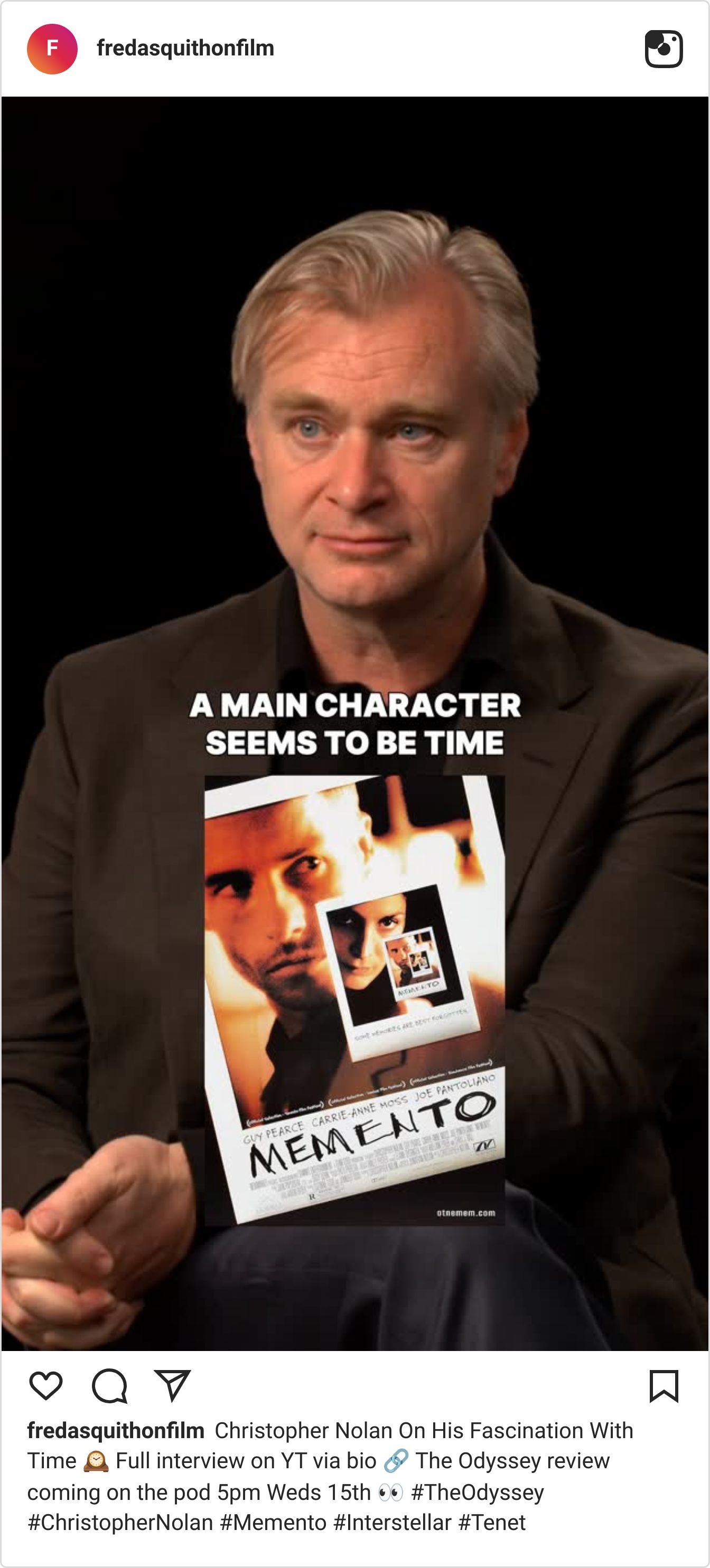
To someone scrolling, deciphering where commentary ends and advertising begins can be tough. Zainab Jiwa, a creator and presenter, argues that maintaining trust remains the ultimate goal. “What I think critics and everyone that isn’t a creator needs to remember is that trust with our audience is the most important thing,” Jiwa said. If she called a movie a five-star must-watch when it wasn’t one, she said, “my audience is gone. The trust is gone.”
Instead of replacing traditional journalism, Jiwa sees creators as expanding the landscape. Her distinction is simple: “I think critics help you understand if a film is good or not. And a creator makes you excited for it.”

This story is part of Verified, a newsletter that is published by Washington Post Creator, a team outside The Washington Post’s newsroom that is focused on the creator economy and content partnerships with independent creators. Learn more about Washington Post Creator.
