
Hello and welcome back to Verified! What should we be covering? Drop us a line by replying to this email, or follow me at @dylanewells. If this email was forwarded to you, click here to subscribe.


Illustration by Brian Edwards/Photo by Phillip Faraone/Getty Images for Raising Cane's
Exclusive: Mike Majlak named chief creator in residence of AI podcast platform
In recent months, the bank SoFi named finance creator Vivian Tu as the company’s chief of financial empowerment; the NFL appointed motivational creator Dhar Mann as chief kindness officer of the Super Bowl; the German gummy candy company Katjes tapped comedian Jake Shane as its new chief creative officer; and dirty soda chain Cool Sips made MomTok star Whitney Leavitt its chief creative and brand officer.
Now, another creator is joining the C-suite: YouTuber and podcaster Mike Majlak is joining AI podcast start-up Rebel Audio as chief creator in residence, Majlak told Verified exclusively.
Majlak co-hosts the hit show “Impaulsive” alongside Logan Paul. The podcast has hosted guests ranging from Tom Brady and Neil deGrasse Tyson to Mark Cuban and even President Donald Trump. In his new role, Majlak said he will not only help promote the company — which launched in April with $3.8 million in funding and strategic investors including the state of Tennessee and advisors including Mark Burnett — but also work on content and product development. He will also help recruit other creators to launch their own podcasts.
While some creators’ C-suite titles are primarily honorific, Majlak’s new role with Rebel Audio is the latest example of creators taking on roles that go beyond the typical promotional arrangements. Business leaders recognize that creators’ abilities as entrepreneurs and subject matter experts can help them grow and develop products. And, for creators, taking on an executive role can be a way to build equity and hone in on projects they're passionate about.
Majlak compared the current moment in the creator economy to the celebrity-co-founded businesses a decade ago, when some were tapped not just for their names and likenesses but their business expertise.
“I come from the podcast space, and I also have a bunch of business acumen from the world that I lived in before I was a creator, which was on the brand side at brands like Lovesac, and understanding that marketing world,” he said. “It’s becoming an efficient strategy for new businesses to tap into all the different roles that creators fill, from both the back-of-house and front-of-house standpoint.”
The Takeover
📹 Netflix doubled down on vertical video
🎓 TikTok launched personalized campus feeds and chats
🎒 How YouTube took over the classroom
💃 What happened to the viral dance kids?
🏃♀️➡️ The Church of Scientology blasted the viral ‘speed running’ trend
🗳️ Progressive megadonors are betting big on new media
Creator Q+A

Courtesy of Spotify
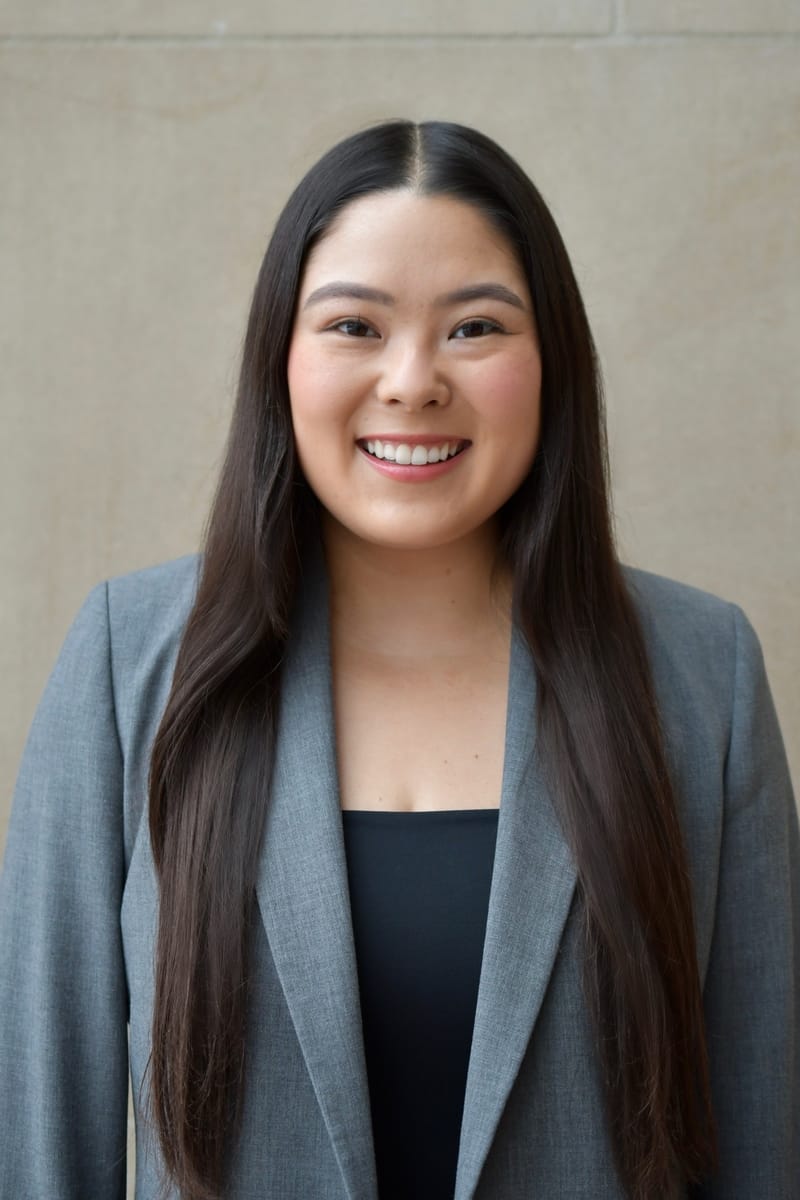
Mina Le is a fashion and culture creator who writes the Substack High Brow and is known for her commentary videos. She recently was named one of Variety’s 10 creators to watch and is preparing to launch a new video podcast. I spoke with Le last week at “On Air, In Style: An Evening with Spotify,” a creator event focused on the overlap between fashion and podcasting in advance of the Met Gala.
Dylan Wells: When did you first realize that you could be a creator as a full-time gig?
Mina Le: It came about organically, something that I’m always so grateful for when I look back. I started [on] YouTube during the pandemic, and it was just something that I did for fun. I talked about costume design in videos, and I didn’t really think of it as being a career. It was just something to do because I couldn’t literally do anything.
And then it was just one of those moments that was like kismet, when I made a video about Disney princess costumes, and it just completely blew up overnight. I got thousands of subscribers all in one go. I was able to monetize pretty quickly after that, and because I didn’t have a job at the time, I was like, I’m just gonna run with this. And it’s been six years.
I always wanted to work in fashion. Prior to when I made that video, I was doing these styling internships in New York. I was basically a clothing mule, running around with garment bags all over the city, just trying to figure out how I was going to get into the industry. And so it wasn’t like above my conception of something that I wanted to do, but I definitely didn’t realize there were other pathways to go about it. I’m just so so grateful.
DW: There’s clearly so much research that goes into your videos. How do you first come up with the idea and decide — whether it’s about blondes after “Love Story” or clean girl aesthetic or everyone being Chinese — the kind of inflection point of a trend that reaches the level you want to make commentary about?
ML: I just try to be well-read. That’s a necessity if you’re a creator in this field, because so much of our work is also centered around trends, or at least knowing what trends are happening. And so I read. I read The Washington Post, all these other news columns, and I keep up with the cycle of what is airing, so “Love Story,” like you mentioned, just to keep hip with the times. And then I try to come up with a way to go about it that is interesting and thought-provoking, because I feel like, at the same time, there’s also just so much commentary happening all the time that I really think about what it is that I can do, and what I can bring to this topic that [wasn’t] covered before.
Advertisement
The AI Strategy Summit 2026–June 4 | Free Virtual Event

On 6/4, from 12-4 PM ET, join Scott Galloway and Section to learn everything you need to scale from individual productivity gains to enterprise-wise AI orchestration.
The Group Chat
LIGHTHOUSE FIELD REPORT: I’m in L.A. this week for a reporting trip, and to speak at the Scalable Summit about how traditional media is adapting to the creator economy and shifts in news consumption. Scalable is a joint venture with the Lighthouse, a creator campus that is part of Whalar Group, and where Wednesday’s event will take place (say hi if you’re attending!).
In advance of the conference, I went bicoastal this week with a tour of the Lighthouse’s Brooklyn and Venice campuses. What struck me most was the sheer scale of both offices — a former pencil factory in New York and a former U.S. Postal Service Office in California — now fully reimagined for content (with vinyls and other homages to analog media throughout). Each campus is packed with professional studios and podcasting rooms, private offices, test kitchens, and screening theaters that creators or companies can pay an annual membership fee to use.
As creators and brands focus on offline experiences and place a premium on IRL community, the campuses also serve as a physical hub for creators and others working in the creator economy to meet and build together. Jon Goss, CEO of the Lighthouse, described the vision to me as building the physical infrastructure for the creator economy — a kind of backlot-meets-private membership club designed to spark creativity.
Close Friends
Time flies: Rushtok star Kylan Darnell graduated from the University of Alabama
Investing early: in Nevaeh Sky’s dance videos.
No original experiences: Apparently we’re all holding our matcha the same way.
Motivational: Are your ducks in a row or sidequesting?
