
Jenn Lueke on generating $670,000 of annual subscription revenue on Substack
Creators react to YouTube’s new partner program eligibility; landmark Meta trial begins
Unwell’s $500M valuation, Alix Earle’s next investment, and Travis Kelce’s new NIL play

Illustration by Annelise Capossela/For The Washington Post; iStock
The best ingredients for a winning creator cookbook
Cooking content is a staple online, and social media has allowed for a new cast of creator chefs, many of whom are self-taught and lack the formal training of traditional cookbook authors, to become bestsellers.
For the publishing industry, the inherently visual nature of creators’ food content — vibrant flat lays of produce, overhead shots of hands and pans, and heaping plates of homemade dinner — translates easily into the cookbook with a built-in audience of buyers. For creators, a physical book offers a new level of validation, but often not much financial gain.
According to the Cookbookery Collective, more than 20 of the 125 cookbooks scheduled for release this past spring were authored by creators or influencers. This month alone there are at least nine creator cookbook releases, including Rachel Mansfield’s “More, Please!” and Alex Snodgrass, aka @thedefineddish’s “Everyday Eats.”
“The cookbook was kind of dead,” said Tineke Younger, crediting creators like herself for bringing them back. Known to her followers as “Chef Tini,” Younger is publishing her first major cookbook “Today We Are Cooking…” in November, which she said is focused on the fundamentals: “if you can’t boil a pot of water, this book is for you.”
Creators say they are tapping into a natural extension of how people consume information today: More people — from noncooks who want to start learning to experienced hobbyists looking to perfect a dish or technique — get information and inspiration on social media. For creators looking to grow their business, food content provides a springboard into new mediums. In addition to print, for example, creator-led cooking series are also having a moment, as streamers look to them for brand-safe and cheap IP and legacy brands tap creators for both talent and distribution.
With so many titles hitting the shelves, including a number of cookbooks authored by creators better known for content outside the kitchen, some in the industry are beginning to wonder if the genre is reaching a saturation point. It’s leading some creators to strategize new methods of reaching their audience and embrace new platforms for monetization to stay ahead of the curve.

The Creator Takeover: How creators flexed their power this week.
Influencers are transforming travel (Financial Times)
Alex Cooper's Unwell lands $500M valuation from WTSL (Axios), shuts down beverage line after short, buzzy run (Los Angeles Times)
Alix Earle invests in Cymbiotika (WWD)
Dhar Mann Studios buys production campus in the Valley for $23M (TheRealDeal)
YouTube announces two creator shows will screen on opening day of TIFF, hosting inaugural creator festival (Variety)
SXSW launching podcast festival in 2027 (Deadline)
Travis Kelce teams up with Publicis to tame the college NIL scramble (Wall Street Journal)
NFL WAGs at practice are part of coordinated content rollout (Front Office Sports)
USA Fencing relies on creators to attract new fans ahead of the 2028 Olympics (Digiday)
Run for Something announced a partnership with Southern content creator coalition YALLvote
Online “agitator” Hasan Piker is driving Democrats up a wall (Wall Street Journal)
😭or 😂: Do your emojis make you look old? (New York Times)
Gen Z likes when brands are little freaks on social (ICYMI)
Creator Q+A: Jenn Lueke

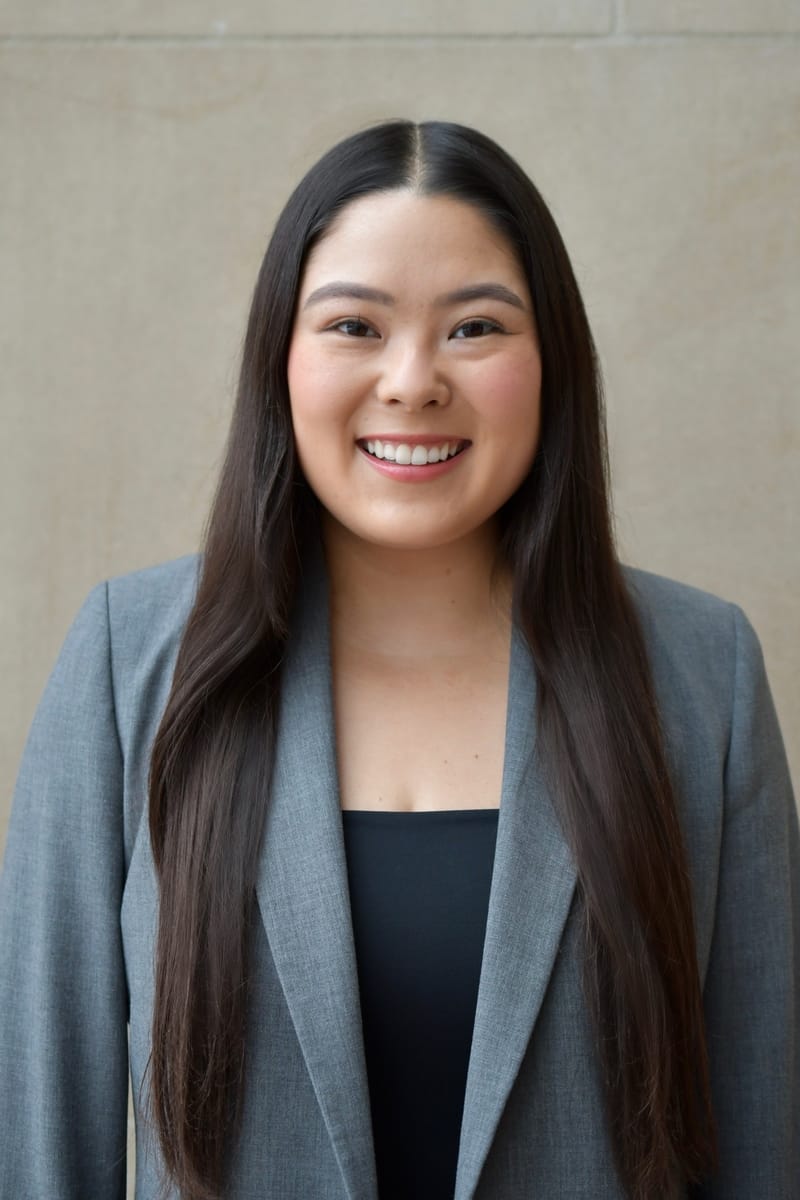
Courtesy of Jenn Lueke
Jenn Lueke of @jenneatsgoood is the author of the cookbook “Don’t Think About Dinner.” She grew her college Instagram account into a business and her Substack, launched in 2024, now generates $670,000 in gross annualized subscription revenue.
This interview has been edited and condensed.
Dylan Wells: Can you talk to me about what your business looks like these days and your biggest income streams?
Jenn Lueke: Diversifying the business was really important to me. Early on, I wasn't really making a lot of money. I was doing some brand deals, and that was pretty much 100% of my revenue stream. Since then, I needed to figure out how to make money other than brand deals, because it's not very consistent, and how to diversify.
I decided to start my Substack newsletter around that time I was working on the book proposal so that I would have another revenue stream. Honestly, I didn't really know how that would go because I was pretty early on the Substack train. Now, that's a huge part of my business. Probably 40 percent of my revenue comes from Substack, and then obviously the book deal, and then I was having the brand deals still.
The subscription model of Substack was huge because it is something that I can actually count on month over month. It felt a lot safer than just hoping that brands would want to pay me. I share meal plans that go with each recipe. I'm always posting on social every time I have a new Substack post come out, and I do three a week. And sometimes you get lucky, and sometimes those posts go viral.
The Platforms:
The creatorverse reacts to YouTube’s new partner program eligibility, which raises entry requirements:
Shira Lazar: “What this actually filters for is people who already have an audience, a team, or a lucky break. It filters out the creator who's slowly, consistently building something real but hasn't broken out yet, the exact person the original Partner Program was built to reach.”
Jim Louderback: “YouTube now has different products for different types of creators. … There are many ramifications for creator businesses here. First, as I’ve warned here recently, virality is dead. Even if you get organic virality (which is less and less likely), there’s not a lot of value, except if you can snag some of those trend/culture incentives. Whatever they are.”
Lindsey Gamble: “While it’s not what creators want to hear, the move reflects YouTube’s effort to recalibrate revenue sharing around its most active creators and the long-term sustainability of the program.”
The Grill Room: “There is an incentive for both creators and YouTube to really prioritize a subscription product, and that means you need more subscription-level offerings. … The fact that the bar is raised means that it is inevitably more difficult for new creators.”
What’s your take? Respond to this email and let me know.
YouTube announced views will count the moment a video begins to play, with no minimum watch time, across all formats, starting next week.
Meta targeted children to boost Facebook and Instagram use, lawyer says as landmark trial begins.
Amazon can use your Twitch content to train its AI — unless you opt out
Sick of A.I. slop? So are tech giants.
Brands suddenly care about Reddit. Redditors don’t return the feeling.
Meta partnership ads hit $10 Billion as creators outperform brand messages.
Instagram head of product design explains new logo, responds to critics.
Close Friends: Content I sent my friends this week
The best thing I watched this week: the season finale of Keep the Meter Running.
What our team is watching: Anika Trivedi’s tips for seventh graders (and us fully grown adults).
Main character of the week: Chanty Beluga.
Main animal of the week: the incredibly chunky puppy Henry.
My motto: boots on the ground, hugo in hand.
Bonus: one weird one for good measure.
Got a creator story? Drop us a line by replying to this email, or follow me at @dylanewells. If this email was forwarded to you, click here to subscribe.
